Why Accessible Open Spaces Strengthen Conservation
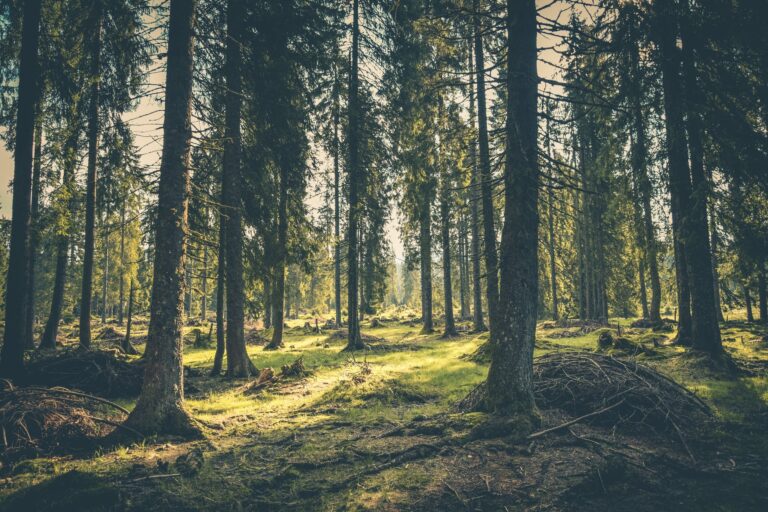
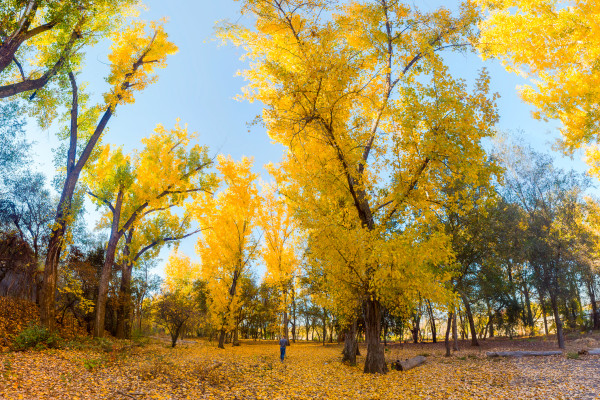
There are places in this region where the light shifts through oak branches, where the sound of water settles the mind, and where the horizon opens enough for a person to breathe a little more deeply. These are not luxuries. They are part of what ties a community to the land. Yet many of these experiences are out of reach for people who cannot easily navigate uneven ground, steep grades, or narrow natural paths. Roughly 85 million people in the United States live with some form of disability. Most are not avoiding the outdoors because they lack interest. The barrier is the environment formed by terrain, infrastructure choices, and long-standing assumptions about who outdoor spaces are designed for.
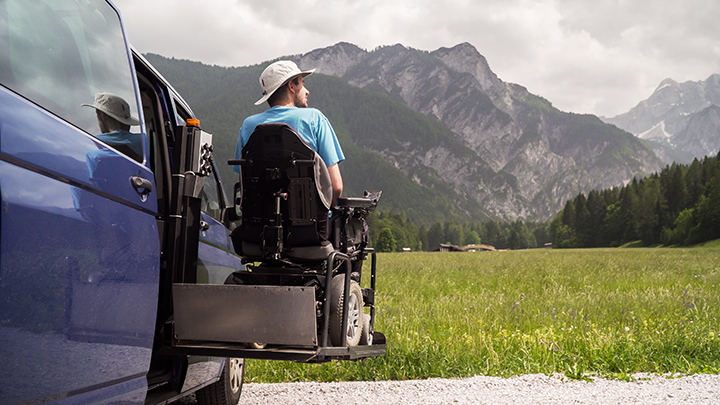
Many people who benefit from accessible design want the same restorative experiences that others take for granted, yet a single rocky step or a narrow path can transform a gentle walk into something stressful or unsafe. When these barriers exist, entire groups simply stay home. This is not a lack of interest, nor is it a request to have the wilderness sacrificed for the sake of access. It is a matter of basic participation. People want to experience the landscape in a real way, and when the only option is a short paved loop that ends at a parking lot view, they do not come back. Inclusive access allows everyone to enter the natural world with comfort and dignity, without erasing the wild character of the land.
There is a persistent assumption that accessibility requires heavy alteration of natural places, as if inclusion and landscape integrity are in opposition. That assumption is wrong. Accessibility is not defined by pavement or urbanization. Many effective approaches rely on subtle, low visibility design choices that support movement while respecting the land. Stable trail surfaces that blend into the environment, clear information about slope and terrain conditions, and rest areas that allow people to pause comfortably can expand access while preserving the character of a place. These same features can also support conservation goals. When visitors are guided along stable, intentional routes, movement becomes more predictable and less disruptive. Fragile meadows, stream banks, and habitat areas experience less pressure, reducing the likelihood of dispersed impacts across the landscape. In this way, accessibility and habitat protection often reinforce one another rather than compete.
The Americans with Disabilities Act recognizes access as a civil right, but it leaves much of the implementation to land managers. In many outdoor settings, that means accessibility is treated as optional rather than foundational. Many well known recreation areas have invested in accessible infrastructure, yet gaps often remain between individual elements. Accessible parking, restrooms, trails, and viewpoints may exist, but they are not always connected in ways that allow visitors to move easily between them. Access depends not only on the presence of accessible features, but on how those features work together as a system. The result is a landscape where access is uneven, limiting full participation for many visitors.
This matters because people tend to care for places they know. Familiarity grows from time spent in a landscape, not from distant appreciation alone. When access is limited, that relationship never fully forms. As a result, the broader community of people who might advocate for protection, funding, and stewardship is smaller than it could be.
Conservation is often discussed as if it depends only on limiting use. In reality, it also depends on building connection. The more people who can meaningfully enter a landscape, the more people there are who understand what is at stake when those places are threatened.
Accessible design is part of how people move through landscapes, just like wildlife corridors, trail placement, and seasonal closures. It shapes use in ways that can concentrate impact away from sensitive areas and make space easier to navigate for more people. The result is not a different kind of landscape, but a more legible and shared one, where access and protection are designed together instead of treated as competing goals.