Fall Yard Cleanup in Shasta County
Sustainable Practices for a Healthier Landscape
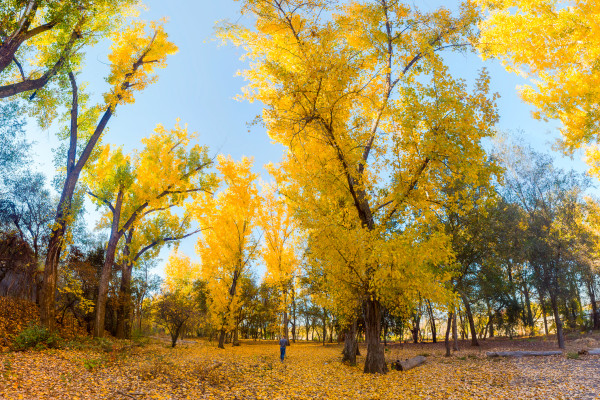
As cooler weather arrives and leaves begin to fall, many Shasta County homeowners turn their attention to seasonal yard cleanup. This annual routine is more than just tidying up, it is a chance to care for soil, conserve resources, and support the local ecosystem. With a few sustainable practices, fall cleanup can keep your yard healthy while also fitting the realities of living in a dry, fire-prone region.
Rethink the Leaves
Instead of bagging leaves for disposal, consider their value. When shredded, leaves create mulch that enriches soil, helps retain moisture, and suppresses weeds. Mowing them into small pieces allows them to break down naturally on the lawn. For garden beds, raked and shredded leaves can be spread as mulch, but avoid piling them too deeply. Keep leaves from building up against fences, decks, or buildings. In those spots they can trap moisture that damages wood and attracts pests, and once dried they can add unnecessary fuel right next to structures. Keeping leaf mulch a little farther out in the yard makes it healthier for the soil and safer for your property.
Compost for Healthy Soil
Leaves and clippings make excellent “brown” material for compost, balancing the “green” nitrogen-rich scraps from kitchens. Fall is a perfect time to build a compost pile, since it will quietly decompose over the winter months and provide a nutrient-rich soil amendment by spring. This keeps organic matter out of landfills while closing the nutrient cycle right in your own backyard.
The Value of Bare Dirt
A certain amount of bare dirt is not only practical but also beneficial. Open soil areas discourage excessive fuel buildup, provide natural fire breaks, and create vital habitat for native insects such as ground-nesting bees. Many beneficial beetles and pollinators rely on bare soil for nesting or overwintering. To make the most of this resource, keep bare areas intentional: use them for paths, borders, or small open patches near gardens. Avoid compacting the soil, and protect slopes with mulch or plants to prevent erosion. When balanced with mulched beds and planted areas, bare soil supports both ecological health and practical yard care.
Leave Some Habitat
Fall cleanup does not mean removing every last stem or branch. Seed heads from native plants provide food for finches and other birds through the winter, while small brush piles set away from main living areas create valuable shelter for pollinators and beneficial wildlife. By leaving a little habitat in place, you help support biodiversity and keep natural cycles intact.
Tree and Shrub Pruning
Fall and early winter are excellent times for tree work. Sustainable fall cleanup is about balance: tidying where needed, reusing natural materials wisely, and leaving space for the ecosystem to thrive. By composting leaves, pruning at the right time, setting aside some natural habitat, and maintaining intentional patches of bare soil, you can create a yard that is resilient, environmentally friendly, and well-prepared for the seasons ahead.
A Balanced Approach
Sustainable fall cleanup is about balance: tidying where needed, reusing natural materials wisely, and leaving space for the ecosystem to thrive. By composting leaves, pruning at the right time, setting aside some natural habitat, and maintaining intentional patches of bare soil, you can create a yard that is resilient, environmentally friendly, and well-prepared for the seasons ahead.