Sustainability and the UN Climate Summit
30th Conference of the Parties (COP30)
by Doug Mandel (Guest Author)
The 2025 United Nations Climate Change Conference
This is an overview of a blog I posted on the Ghost Pine Native Plant Nursery website. The blog post covers the main points of this two-week world summit, along with some pent-up commentary.
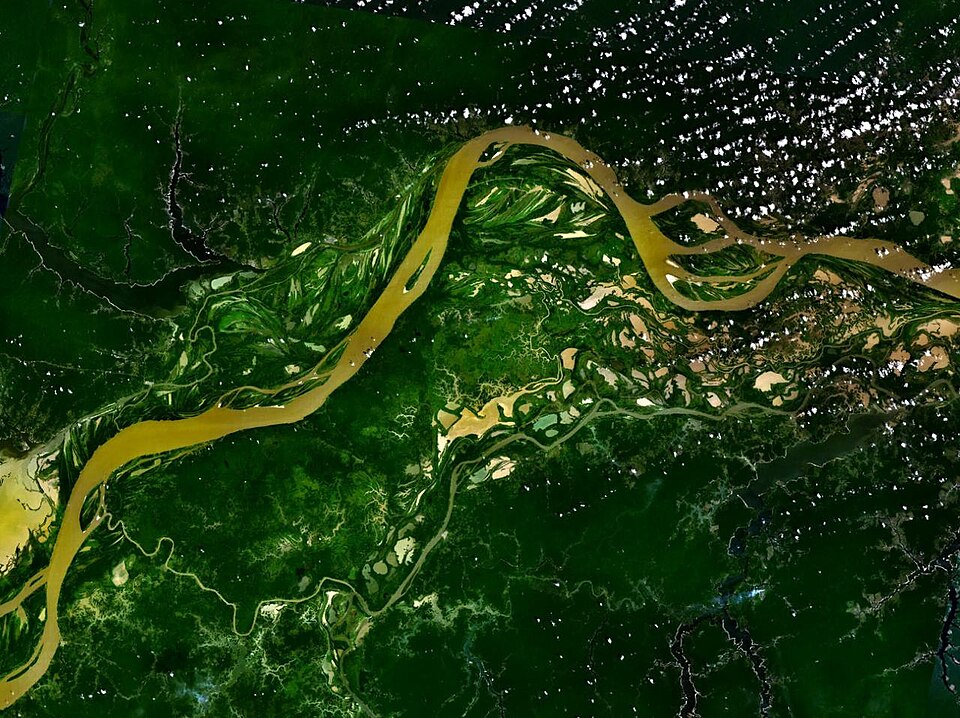
The debate over fossil fuel consumption has waged for decades, especially at the United Nations Climate Change Conference or Conference of the Parties (COP), which just finished its 30th annual conference on November 22, 2025. COP30 took place in Belém, Brazil, “the gateway to the Amazon,” where 194 countries participated – the United States shunned the summit.
Since the negotiations require a consensus, where any individual country can block progress, the resultant agreement was a “weak” compromise. A 11/22/2025 article in The Guardian stated, “Delegates made minimal headway on a timetable for replacing oil and gas or on firm commitments to reducing carbon emissions.” There were also no new commitments to halt deforestation or the expansion of industrial agriculture in the rainforest.
The contentious negotiations over the future of fossil fuels almost derailed the entire COP30. If this conference had ended prematurely, then the landmark 2015 Paris Agreement could have completely collapsed. Even though science shows that fossil fuels are the root cause of the climate crisis, the COP30 final agreement reportedly did not mention “fossil fuels”; not once! The main characters in this tragedy were the petrostates (e.g. Saudi Arabia, UAE, Russia), 1600 fossil fuel lobbyists, emerging economies dependent on fossil fuels, and China versus the Indigenous peoples, European nations, other emerging economies, and small island states. Basically, the rich and powerful dominated the poorer and weaker contingents. Have you heard of this scenario before? Spheres of influence?
There were five main issues debated:
- Paris Climate Agreement (2015) – In 2015, countries agreed to limit greenhouse gases to limit global heating to “well below” 2C above pre-industrial levels, while “pursuing efforts” to stay within the lower, safer threshold of 1.5C. Since 2015, only about 17 % of the needed cuts to carbon emissions have materialized. The COP30 agreement: Countries should aim for “full implementation of NDCs while striving to do better.” Do you think they will voluntarily cut emissions and do better? Sadly, no.
If we do not improve upon the current trajectory, scientists say at least 2.5C is in our future by the end of the century along with a logarithmic rise in catastrophic climate events. I do not think this can be overstated. - Phase out fossil fuels – Fossil fuels are the cause of more than 80% of the emissions that propel climate change. Eighty countries pushed for a roadmap to transition away from fossil fuels, but the petrostates vetoed the fossil fuel phaseout. The COP30 agreement asks countries to voluntarily “accelerate” their climate action. Again, do you think they will voluntarily do this? Sadly, no. Are we heading backwards?
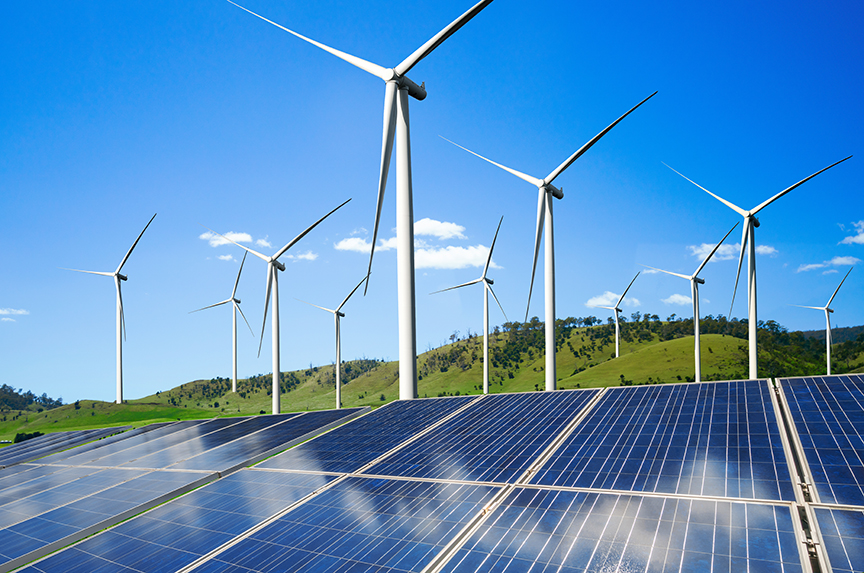
In the background, China has become the first electrostate by shifting away from fossil fuels and ramping up wind energy, solar energy, and electric cars. China spearheads this move forward, while the United States administration seems insistent on traveling backwards to the 20th Century. - Adaptation funding – Rich nations (e.g. the Global North) fund vulnerable countries (e.g. the Global South) from the ravages of the climate crisis. The COP30 agreement pushed the funding deadline from 2030 to 2035. Communities currently facing catastrophic climate impacts cannot wait ten years.
Many believe that the Global North needs to set a better example of a more rapid fossil fuel phaseout AND provide the finances to the Global South for its energy transition and adaptation to the climate crisis. After all, the Global North is largely responsible for the climate crisis. - Just Transition Mechanism (JTM) – This was one of the bright spots in COP history. JTM is a plan to ensure that the move to a green economy around the world takes place fairly and protects the rights of all people, including workers, women and Indigenous peoples. Care is needed to not leave communities, workers, and ordinary people behind during the transition away from a fossil fuel-based economy.
- Halting deforestation – The agreement for a roadmap to end deforestation failed. However, Brazil created the Tropical Forest Forever Facility outside of the UN process, which will provide economic incentive to preserve tropical forests.
Not-so-fun fact: As of 2021, scientists have confirmed that the Amazon rainforest emits more carbon dioxide than it is able to absorb. Unfortunately, this means that the Amazon rainforests are no longer the “lungs of the Earth.”
What is the next step? Given the low bar set by the recent and likely future COPs and the existential threat of the climate crisis, frustrated leaders from about 90 countries decided to form a “coalition of the willing” and create a parallel series of conferences for a just transition away from fossil fuels. Colombia and the Netherlands will co-host the First International Conference on Fossil Fuel Phaseout in the Colombian port city of Santa Marta in April 2026. The conference will proceed outside the UN process, outside the COP consensus-based process.
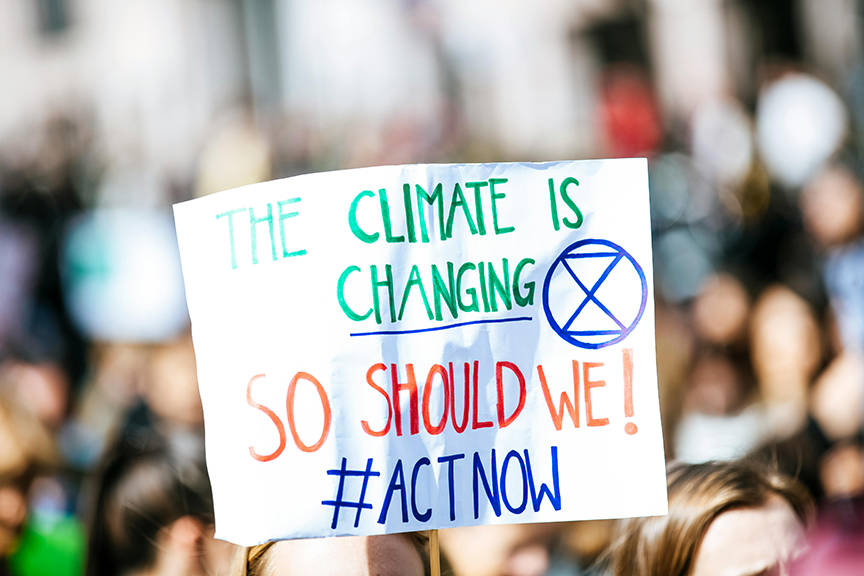
My thoughts: Carbon emissions need to decrease considerably, deforestation needs to stop, planting AND maintaining the right trees in the right places needs to increase, and renewable energy needs to increase (especially wind and solar). We need action through a grassroots effort to counter and overwhelm the power and money of special interests. We can do this, a little bit at a time!