Something to Howl About
Balancing Nature and Ranching
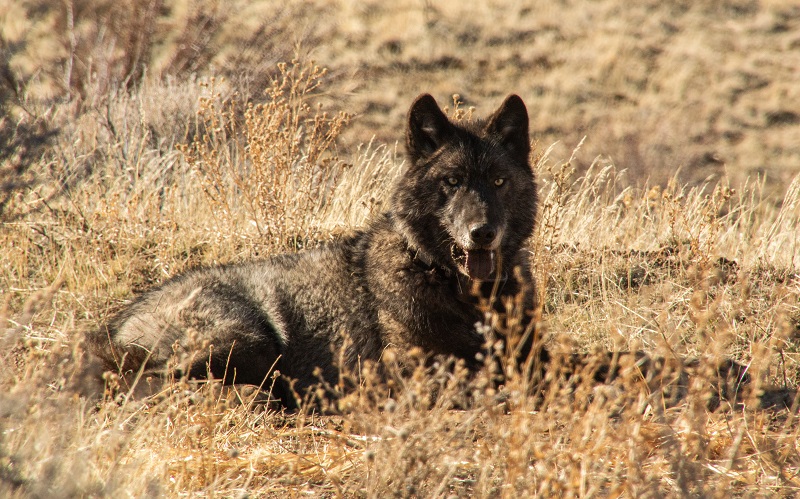
Gray wolves have made a remarkable comeback in Northern California, with three new packs (Ashpan, Ish(i, and Tunnison,) now roaming Shasta, Tehama, and Lassen Counties. This natural return is a milestone for biodiversity, signaling healthier ecosystems and restored predator-prey dynamics.
However, the return of wolves also brings challenges. On May 13, the Shasta County Board of Supervisors declared a local state of emergency, citing concerns about livestock losses and requesting state and federal assistance. It’s important to note that there has been only one confirmed livestock loss due to wolves in Shasta County.
Balancing the needs of ranchers with wildlife conservation is no easy task, but successful examples from other regions offer hope. In Montana and Wyoming, where wolves have also returned after decades of absence, ranchers and wildlife agencies have worked together to develop non-lethal deterrent strategies such as fladry (flagging lines), guard animals, and range riders. These tools help protect livestock while allowing wolves to roam freely.
California’s wolf recovery is still in its early stages, and the state’s population remains small and vulnerable. Establishing coexistence here will require continued dialogue, scientific research, and fair compensation programs for ranchers affected by wolf depredation.
As an environmental organization, we believe that protecting biodiversity and supporting rural communities are complementary goals. Wolves are a vital part of a balanced ecosystem, and with thoughtful management, we can create a future where both wildlife and ranchers thrive side by side.