No Shade, No Relief: The Cost of Losing Our Urban Forest
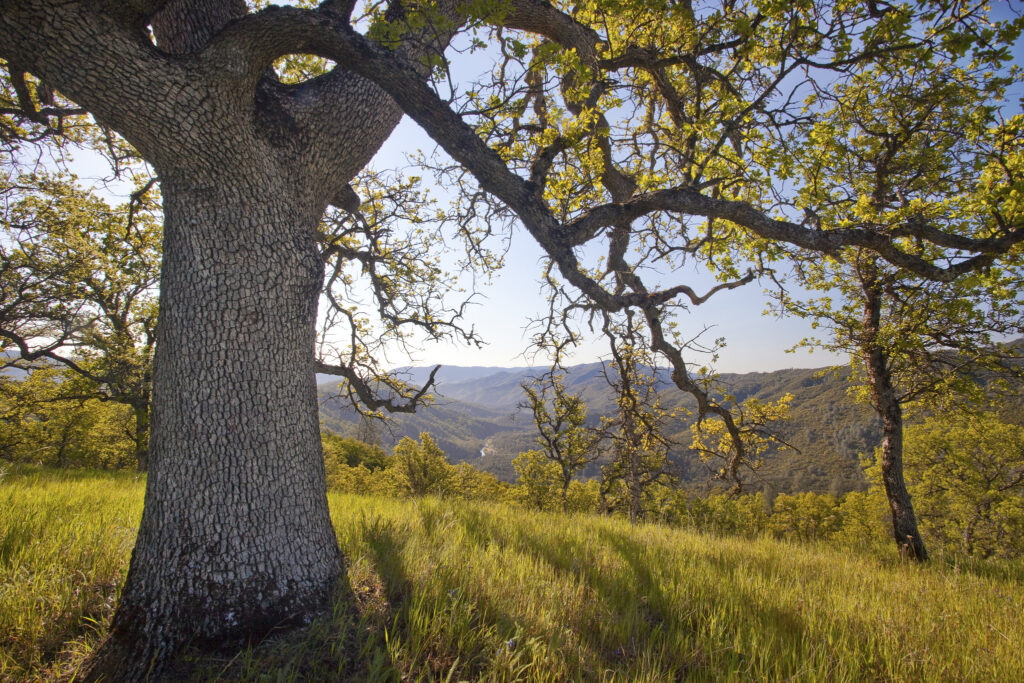
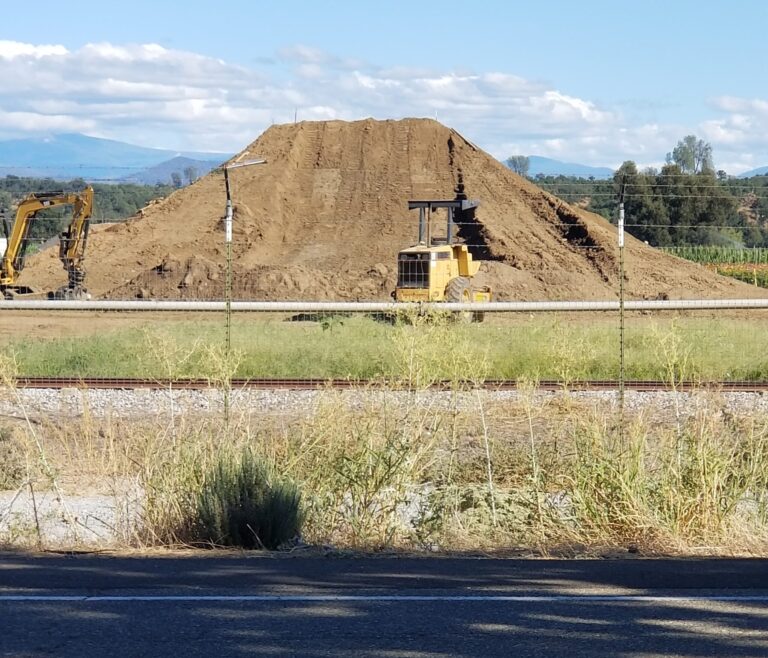
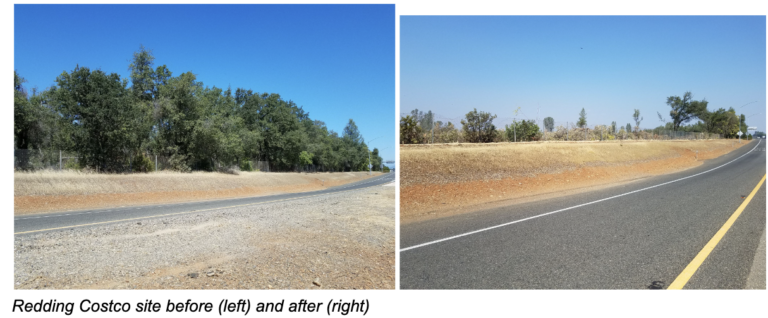
As temperatures climb and Redding faces longer, hotter summers, preserving urban shade should be a top priority. But on May 20, the Redding City Council voted unanimously against implementing mitigation fees for removing native oaks during development—choosing not to hold developers accountable for canopy loss.
This vote wasn’t just procedural. It was a clear message: pavement and profit come before cooling shade and clean air.
Despite overwhelming evidence that trees reduce urban heat, improve air quality, and support wildlife, the Council declined to adopt even modest compensation for the removal of mature trees. Only Councilmember Erin Resner expressed openness to fees tied to replacement or preservation.
What Happens Next:
- The draft ordinance will be sent back to the Tree Management Ordinance Committee, a group that hasn’t met since 2023.
- Without pressure from residents, few, if any, meaningful protections are likely to emerge from this process.
Why This Matters:
- Trees are the city’s first line of defense against extreme heat, and a vital part of climate adaptation.
- Once mature trees are gone, they’re gone for good. Replanting young trees won’t replace ecosystem functions for decades.
- Developers can cut down heritage trees without being fined or required to plant new trees.
What You Can Do:
Contact the Redding City Council. Tell them trees are essential infrastructure—not optional landscaping.
🔗 https://www.cityofredding.org/council
This isn’t just about trees. It’s about the kind of city we want to live in and and whether future generations will have shade, clean air, and wildlife in their neighborhoods.