Solar Farms and Land Use
The Hidden Costs of Clean Energy
Across California and throughout the West, new solar farms are rising on open land that once held pastures, oak woodlands, and small farms. They represent progress toward clean energy but also raise difficult questions about land use, fragmentation, and what kinds of landscapes we are willing to give up in pursuit of carbon-free electricity. Some projects have also raised environmental justice and tribal sovereignty concerns, reminding us that renewable energy development can reproduce the same inequities it seeks to solve if communities are not fully included in decision making.
The Scale Behind the Shine
Solar energy development is often discussed in sweeping numbers such as hundreds of megawatts, millions of panels, and thousands of acres. Yet many projects now appearing in rural counties are much smaller. A two or three megawatt solar farm might seem modest compared to the vast arrays in the Mojave Desert, but it still qualifies as a “utility scale” plant because it connects to the electrical grid and sells power wholesale rather than serving a single property or community.
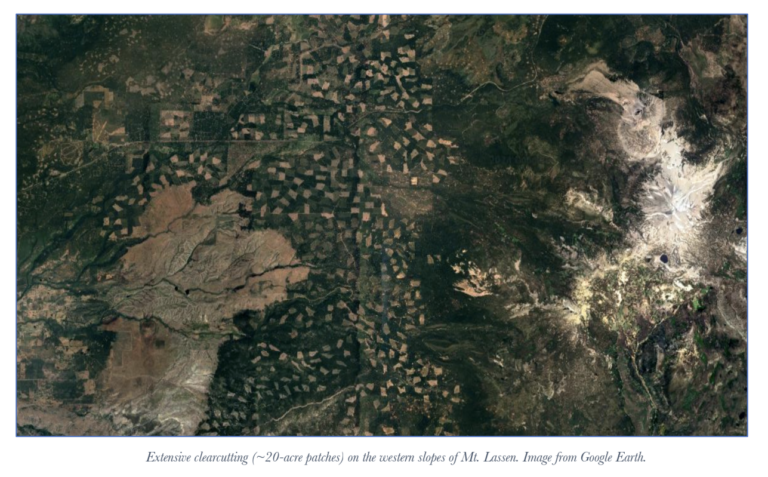
These small utility scale projects typically cover fifteen to forty acres. That is large enough to clear habitat, change drainage, and fence off land that once supported wildlife movement or agriculture. Multiply that by dozens of projects scattered across a county and the cumulative footprint becomes significant.
When “Small” Still Means Big Change
Even modest solar installations require grading, access roads, and perimeter fencing. In a single project area, the loss might seem minor. But together, these developments resemble a slow fragmentation of rural and natural lands. Each project clears ground, reshapes drainage, and replaces open views with glass and steel. Habitat corridors narrow, groundwater infiltration changes, and the rural character erodes. These local impacts are often invisible within the larger story of renewable progress.
The Land Use Tradeoff
The climate benefits of solar are real. Each megawatt hour of clean electricity displaces emissions that would otherwise come from fossil fuels. But the land tradeoff is equally real. A three-megawatt facility might power about seven hundred homes yet occupy 25 acres that once supported biodiversity, grazing, or crops.
When projects occupy farmland or forest edges, they displace both habitat and livelihoods. Even where vegetation regrows beneath panels, altered light, fencing, and access roads divide ecosystems that once functioned as continuous landscapes. Across many counties, small scale developments have fragmented open space as effectively as highways or housing tracts once did.
Water Quality and Aquatic Impacts
Many solar farms lie near watershed boundaries where creeks or riparian corridors support sensitive aquatic life. When vegetation is removed and soil compacted, rainfall that once filtered into the ground instead runs off quickly, carrying sediment and pollutants into waterways. This degrades water quality and harms fish that rely on clean, cool, shaded streams. Sedimentation can smother spawning beds, increase temperature, and reduce oxygen levels. Each project’s impact may seem minor, but cumulative effects across a watershed can be significant.
Rethinking What We Call “Renewable”
The promise of renewable energy depends on more than the absence of carbon. True sustainability means protecting soil, water, and living systems while we decarbonize. The challenge is not to reject solar power but to site it wisely.
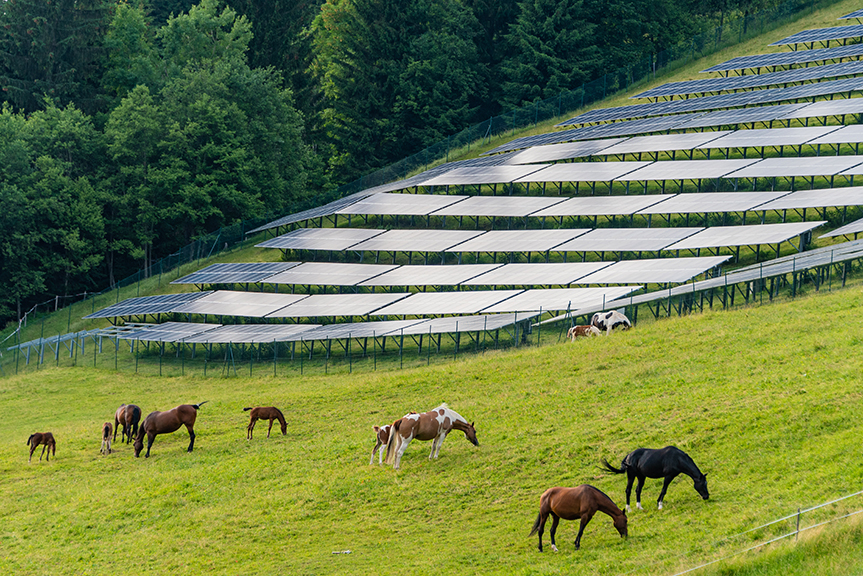
Some of the best opportunities lie in dual use design, often called agrivoltaics, where panels share space with crops or grazing animals. Other ideal sites include degraded or already disturbed lands such as brownfields, parking lots, industrial areas, canal tops, and commercial rooftops where solar can thrive without erasing valuable habitat or farmland.
Community scale and rooftop systems also reduce the need for long distance transmission and keep generation close to where power is used. They may not appear as impressive in output statistics, but together they add up while preserving open landscapes.
A Smarter Path Forward
Transitioning to clean energy is essential, but it must not repeat the old pattern of sacrificing natural systems for industrial expansion. To balance climate and conservation goals, planners and policymakers should:
• Prioritize disturbed or low value lands for new solar development.
• Avoid converting prime farmland, forests, and intact habitat.
• Design with wildlife corridors and soil health in mind.
• Require site restoration when projects reach the end of their life.
• Invest in distributed generation to minimize new land disturbance.
• Acknowledge and prevent green colonialism by ensuring that renewable energy projects do not shift environmental burdens onto rural, tribal, or economically disadvantaged communities.
Equitable planning must include early consultation, respect for cultural landscapes, and fair distribution of both benefits and impacts.
What can you do?
Change begins locally, and individual actions help shape the way renewable energy develops across a region.
- Stay informed by following local planning meetings and environmental review notices for proposed solar projects in your area. Public input early in the process can influence siting and design.
- Ask the right questions about land conversion, watershed impacts, fish habitat, and cumulative effects. Decision makers often respond to specific, well-informed concerns.
- Support rooftop and community solar programs that keep energy generation close to where it is used and reduce the need for new land disturbance.
- Advocate for fair siting policies that include rural residents, Indigenous nations, and underrepresented communities in planning discussions.
- Promote habitat-friendly practices such as native groundcover under panels, wildlife-friendly fencing, and site restoration commitments.
- Use your voice to insist that climate solutions honor both ecological integrity and social justice. Renewable energy should strengthen the communities and landscapes it touches, not divide or degrade them.
Every letter, comment, and conversation helps guide the renewable transition toward a future that is both low-carbon and genuinely sustainable.