Trip Report: Battle Creek Wildlife Area Feb, 2026
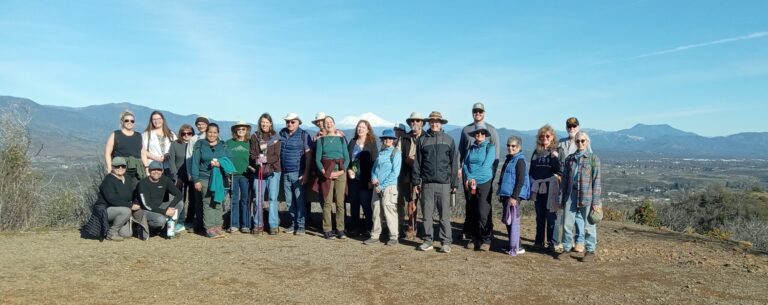
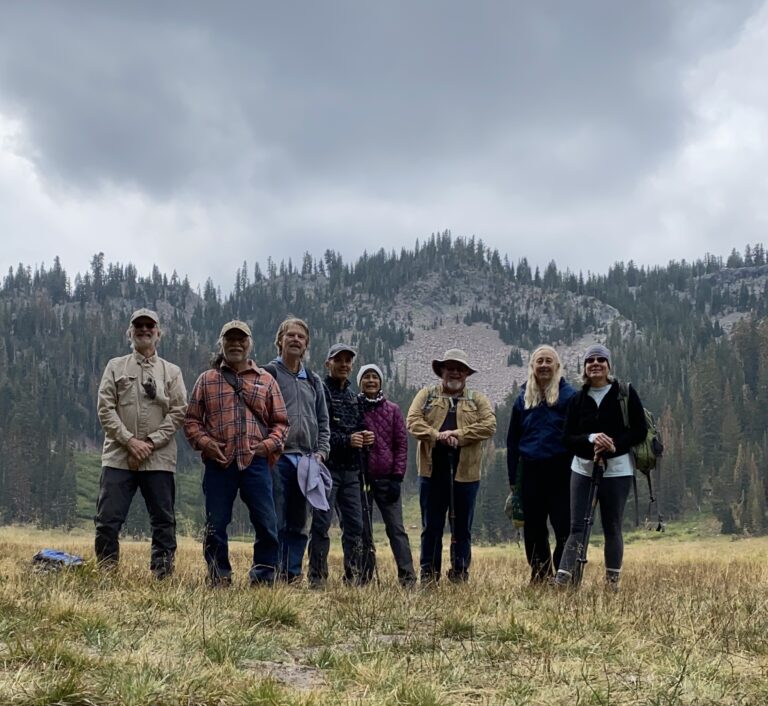
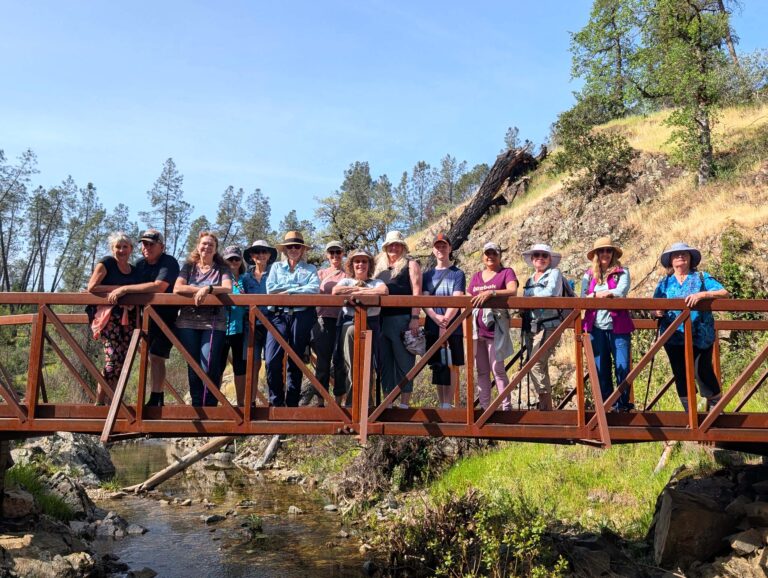
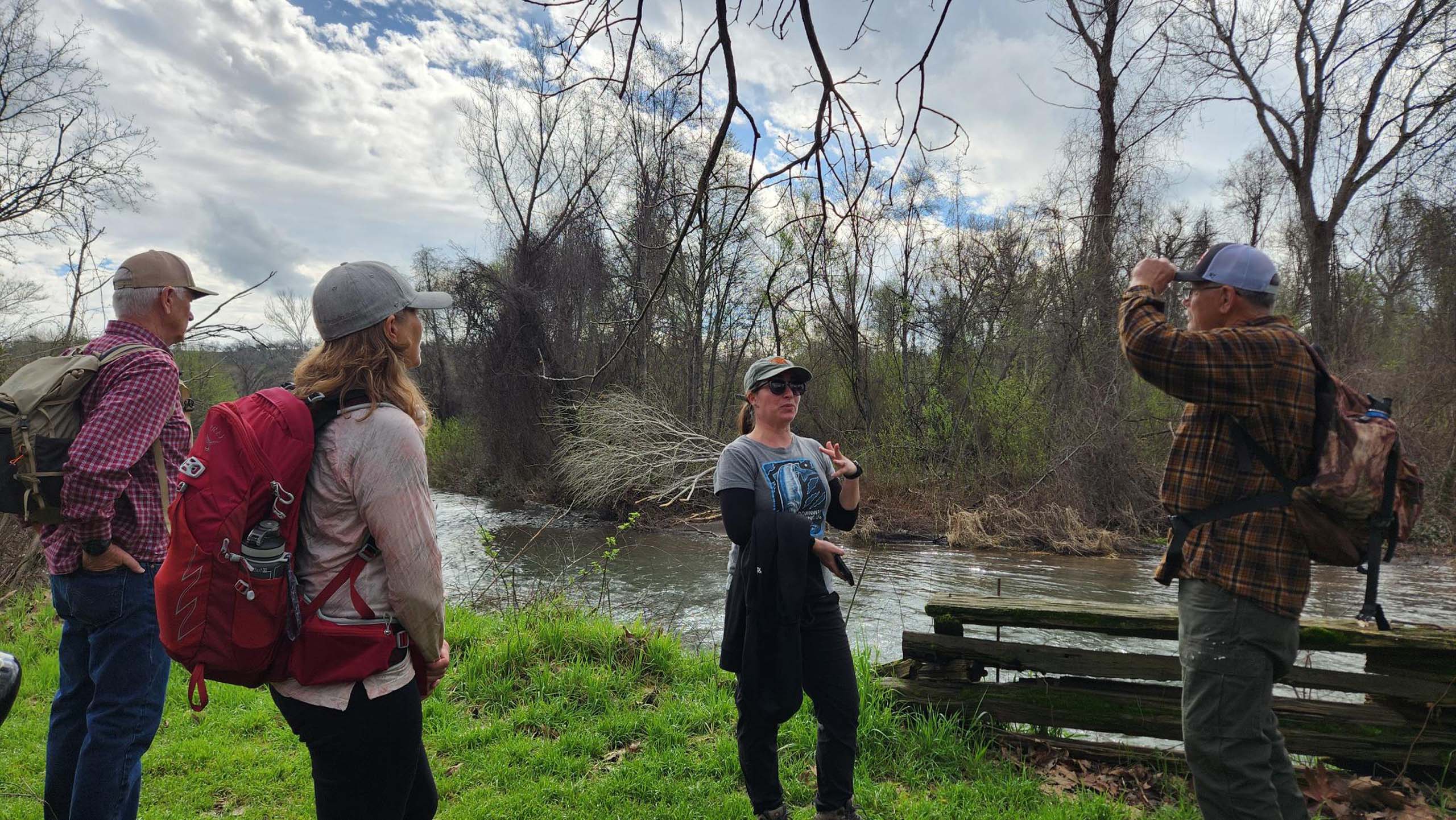
Our recent field trip to the Battle Creek Wildlife Area on March 1 was a perfect cool and cloudy day for a dozen nature enthusiasts to explore the riparian forest and learn about the Battle Creek watershed. With not one, but three SEA board members present (Juliet Malik, Stacey Alexander, and Ren Redlich), the topics of discussion were plentiful and rich with information. After a brief round of introductions, the group set out on the trail leading to the Coleman National Fish Hatchery to identify native (and some non-native) riparian tree and plant species and discuss their many benefits to the ecosystem and human well-being.
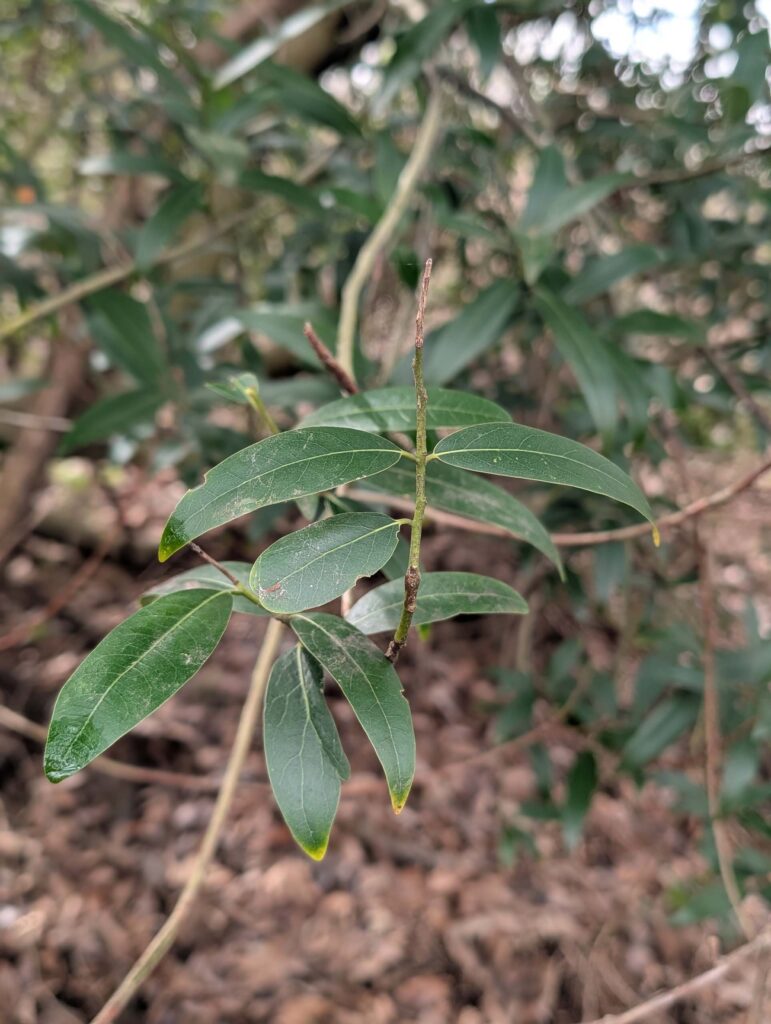
Riparian forests, sometimes referred to as California’s rainforests due to their high biodiversity, are unique habitats of woody vegetation that grow along rivers and smaller streams. They consist of trees and plants adapted to and dependent on access to a great deal of water. Some common riparian tree species observed on this walk include valley oak (Quercus lobata), Fremont cottonwood (Populus fremontii), Western sycamore (Platanus racemosa), California black walnut (Juglans californica), white alder (Alnus rhombifolia), and California bay laurel (Umbellularia californica). In return for the water, these trees and their understory pals like willows (Salix spp.), blue elderberry (Sambucus cerulea), and California pipevine (Aristolochia californica) provide habitat and food for wildlife, bank stabilization, erosion control, shady cooler water for aquatic wildlife like Chinook salmon, cleaner water for wildlife and humans, and flood control. That’s a lot of heavy lifting, and sadly, roughly 95% of California’s riparian forests are gone largely due to water and land management decisions.
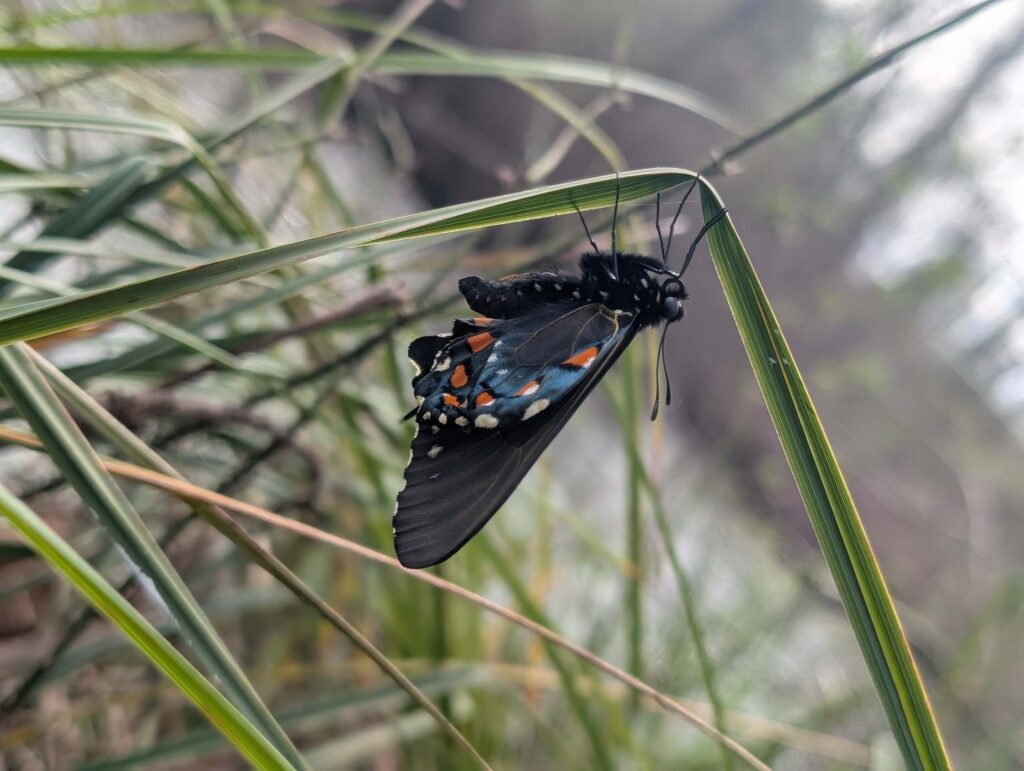
At a scenic overlook, the discussion was handed over to Stacey, an environmental scientist with a passion for native fish and a “salmon spiel” to prove it. Battle Creek has been identified as a critical waterway for restoring the endangered winter run Chinook, and Stacey enlightened the group to the many factors that play a part in salmon restoration projects. On one hand, there are man-made physical barriers to fish passage such as the aging PG&E dams, and natural ones like enormous boulders that need workarounds. Adding to the complexity is the patchwork of different property owners throughout the watershed and the thorny issue of water rights.
Further complicating matters is upstream activity including clear cutting on private timberland adjacent to Battle Creek, which Ren discussed with the group, passing around satellite images showing how much clear cutting has occurred in the last two decades. Clear cutting causes a whole host of problems in the watershed, such as higher water temperatures, increased sedimentation, and toxification from the accompanying practice of using herbicides.
At this point the group separated, with some returning to the parking lot and others venturing further to see more of the trail, because true to form, this naturalist walk provided many observations but didn’t cover much distance.
For more information on these topics: