Action Alert: California’s Urban Forest Plan
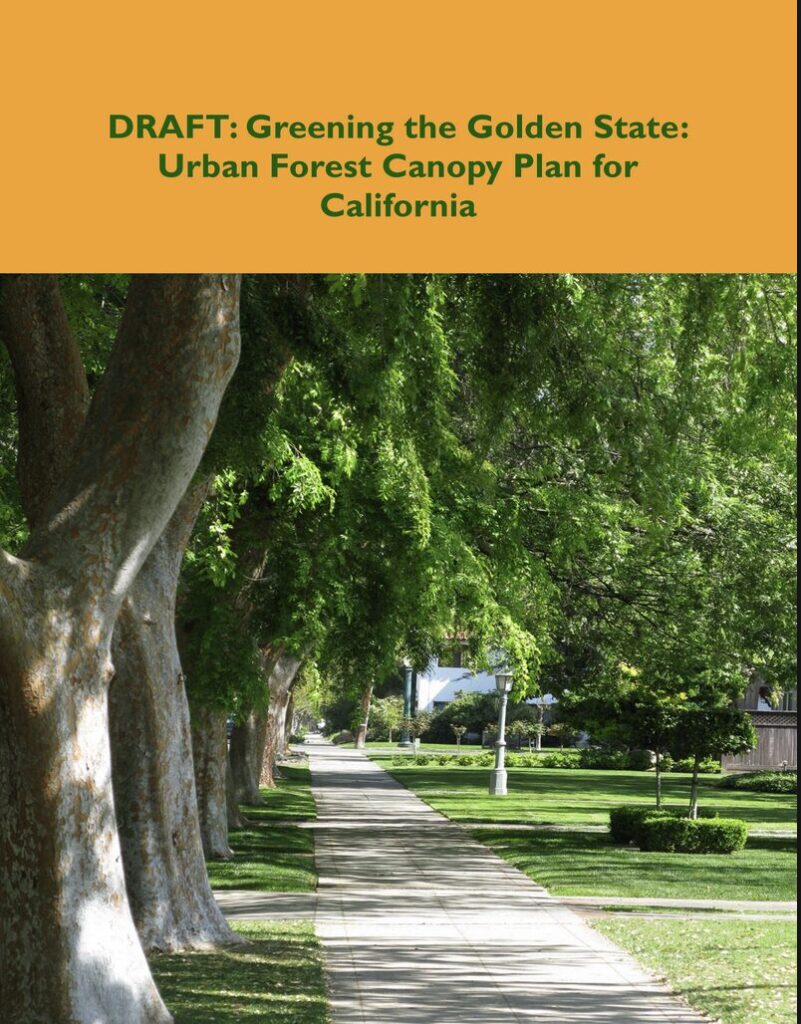
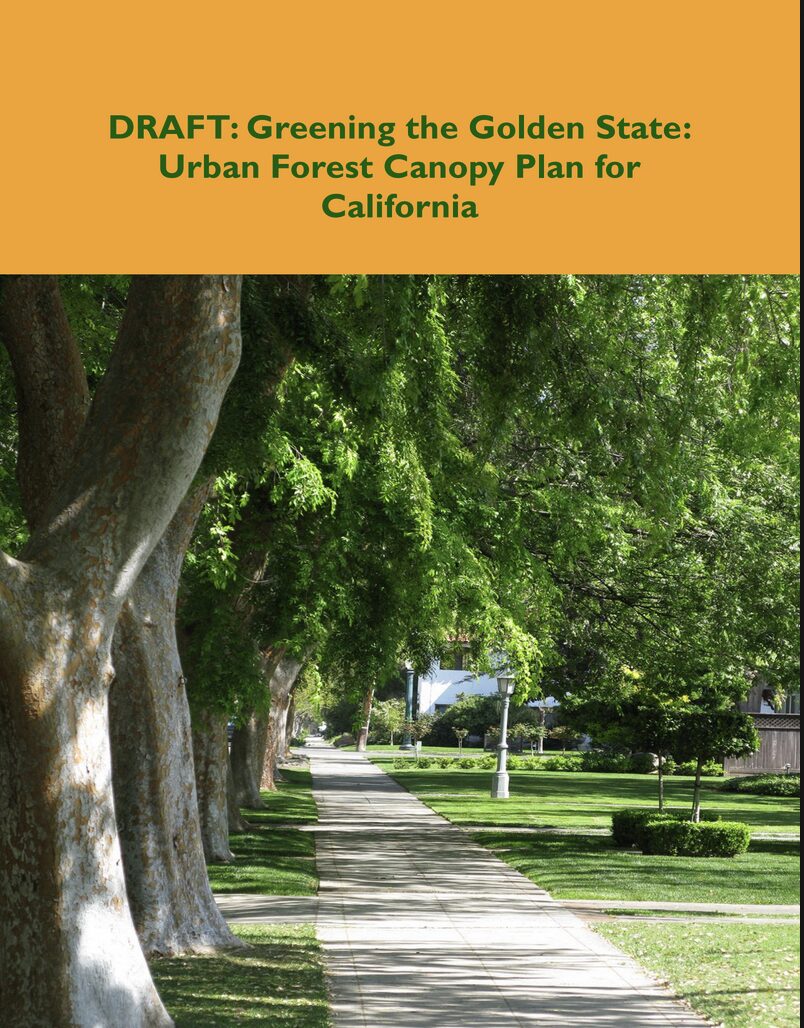
Cal Fire’s Urban Forest Plan Is Open for Comment.
The California Department of Forestry and Fire Protection has published a draft plan to expand the urban tree canopy statewide by 10% before 2035. Public comments are open through April 30. For Shasta County residents, the plan has significant gaps that deserve attention before the comment period closes.
Trees are public health infrastructure. Mature trees reduce surface and air temperatures, lower energy demand, manage stormwater, and filter pollutants from local waterways. In a community that regularly sees summer temperatures above 115 degrees, the cooling benefit of a healthy urban tree canopy is not incidental; it is one of the most cost-effective climate adaptation tools available.
The target is for a 10% increase statewide with no adjustment for where a community starts. A community starting at 8% canopy and a community starting at 40% receive the same goal. For a city like Redding, that target will not produce the same result as it will for coastal communities with significantly higher existing coverage.
Developers are removing mature native trees and replacing them with ornamental species that deliver none of the same ecological or cooling benefits. Where replacement requirements exist at all, the standards are often too weak to recover the canopy value that was lost.The plan identifies this problem but stops short of establishing the enforcement mechanisms needed to address it.
The plan’s planting framework was designed for dense urban environments and does not account for WUI communities, where defensible space requirements and lot patterns make parcel-level canopy targets difficult to meet. Homeowners are removing healthy trees to retain insurance coverage because insurers are treating trees as a fire threat based on aerial imagery alone, with no assessment of actual condition or risk. The plan provides no guidance on which tree species are appropriate for high fire severity zones where climate-adapted, fire-resistant species are needed.
Local input matters here. The draft plan acknowledges challenges like wildfire risk, development pressure, and insurance-driven tree removal, but how those are handled is still up for debate. Comments from communities like ours help determine whether funding is targeted where it’s actually needed, whether large trees are protected, and whether policies reflect real conditions on the ground.
How to comment
The state is using a short online survey. You can answer as much or as little as you want.
Survey Link
A step-by-step guide walks you through each question and includes optional language you can use or adapt:
👉Help Document
Deadline: April 30, 2026 at 5:00 PM.
This is one of the few chances to influence the plan before it’s finalized. A few minutes of input can go a long way.