Action Alert: Whiskeytown Environmental School Rebuild
by Holly White-Wolfe (Guest Author)
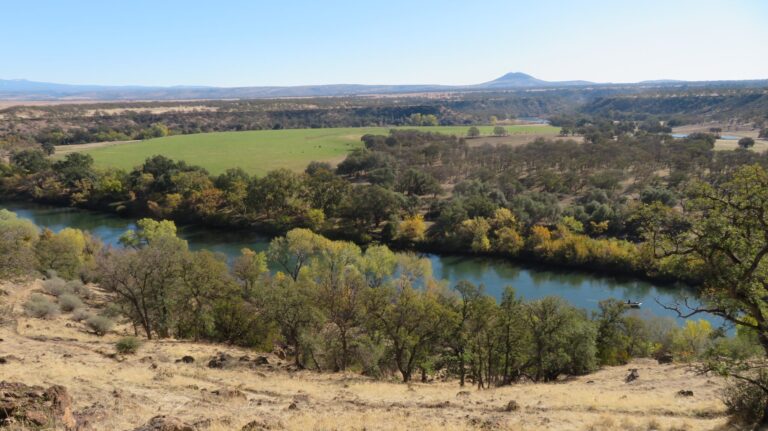
The National Park Service has released the Environmental Assessment (EA) for rebuilding the Whiskeytown Environmental School (WES), and public comment is open until February 21, 2026. This is a rare chance for our community to influence the future of a site that has shaped generations of North State students and sits within one of the most ecologically significant areas of Whiskeytown National Recreation Area.
WES has been a cornerstone of fifth grade science education since 1971. The Carr Fire destroyed much of the campus, and while day use visits are now possible, overnight programs remain suspended. The proposed rebuild is a once-in-50-years opportunity to ensure the site is fire resilient, ecologically sound, and aligned with the biodiversity and watershed values SEA members care deeply about.
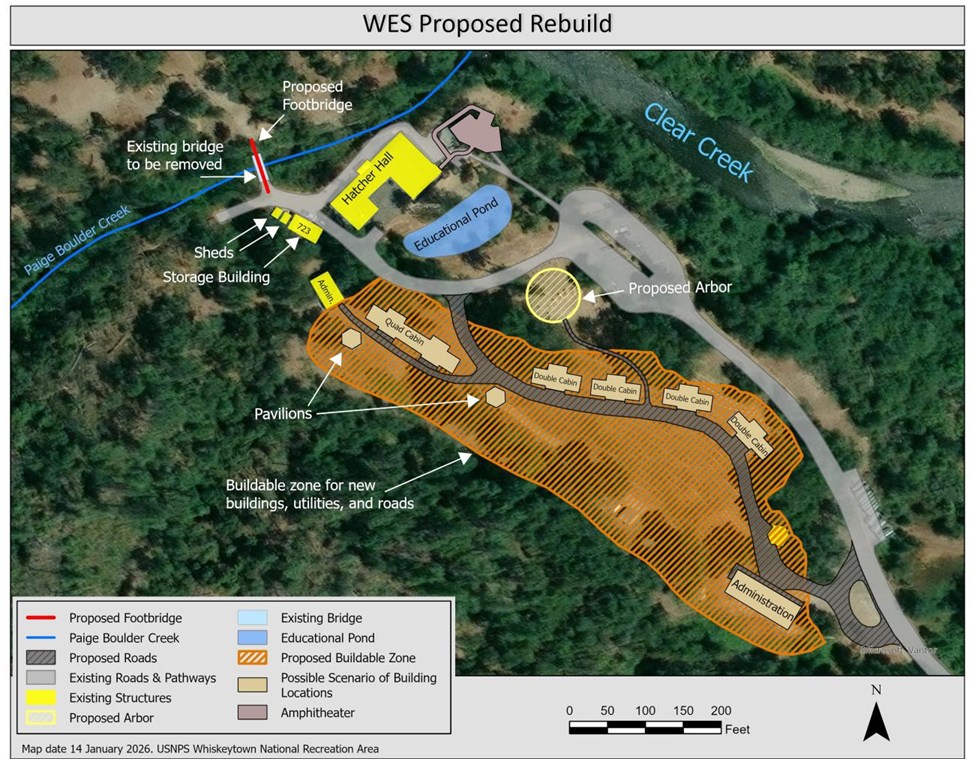
The EA includes important findings, especially in Chapter 3, which details impacts on water quality, wildlife, creeks, and cultural resources. Notably, the plan proposes removing the aging bridge over Paige Bar Creek to restore habitat for Spring Run Chinook salmon and Central Valley Steelhead, both threatened species. Appendix B also provides a comprehensive wildlife species list that underscores the ecological richness of the area.
Where SEA Voices Can Add Value
This is exactly the kind of project where informed public comment can shape outcomes. SEA members bring ecological expertise, long term perspective, and a deep understanding of Whiskeytown’s natural systems. Many important topics, including universal design, tribal partnerships, and habitat restoration, are already addressed in the Environmental Assessment.
For members who want to engage more deeply, the following areas may be especially useful to look for and reflect on in your comments:
• Fire resilient design: Review how the plan approaches defensible space, vegetation management, and safety considerations for future overnight programs. Members may wish to comment on elements they find particularly strong or areas where additional clarity would be helpful.
• Floodplain management: Look at the details surrounding bridge removal and proposed road grade changes designed to reduce flood potential. These components shape both ecological outcomes and long term site resilience.
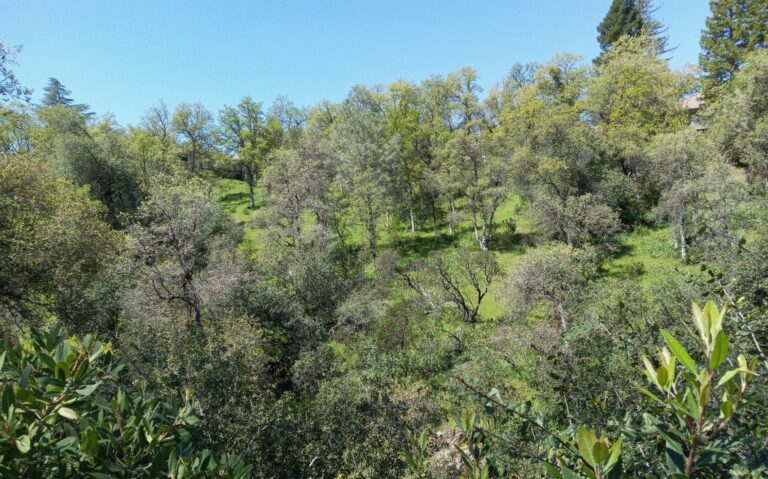
• Ecosystem impacts: Consider whether and how the plan addresses fish habitat, preservation of large oaks, and broader biodiversity goals. SEA members may want to reflect on how the design balances ecological protection with opportunities for students to interact meaningfully with the landscape.
These are not critiques. They are examples of substantive comments, the type of feedback federal agencies must respond to and can use to refine or clarify the final plan.
How to Submit Your Comment
Submit electronically:
https://parkplanning.nps.gov/WES_Rebuild
Or mail to:
Whiskeytown National Recreation Area
c/o WES Rebuild
P.O. Box 188
Whiskeytown, CA 96095
This rebuild will shape environmental education and ecological stewardship in Shasta County for decades. SEA members have the expertise and passion to ensure the final plan reflects the highest standards of sustainability, resilience, and community benefit.