
City of Redding Tree Ordinance
Balancing Our Urban Canopy with Local Growth
Redding Municipal Code Chapter 18.65, the City Tree Management Ordinance, regulates how trees are protected, when they can be removed, and what mitigation is required when development results in tree losses. It defines which trees are covered under city protection standards, how removal permits are issued, and how replacement or fee-based mitigation is applied across public and private property.
Redding’s tree regulations have not undergone a comprehensive update since 2006. Since then, the city has grown, development patterns have expanded, and environmental conditions have increased pressure on remaining canopy cover. Native oaks such as Blue Oak, Valley Oak, and Interior Live Oak remain central to the city’s ecosystem, but are often removed quickly under existing development rules due to slow growth and limited protections.
Why Trees Are Included in the Ordinance
Trees are included in the city’s development code because they interact directly with land use, infrastructure, and property development. They are addressed in relation to heat conditions in paved areas, property value considerations, and the visual character of residential and commercial districts.
Native oaks are specifically addressed because they grow slowly and are often present on parcels undergoing development. The ordinance sets standards for when these trees can be removed and what mitigation is required when removal occurs.
Policy Approaches in the Ordinance
The ordinance has been evaluated through different approaches to defining which trees require mitigation.
One approach is a blanket protection standard. This method applies a removal permit requirement and a set mitigation fee to native oak trees above a defined size threshold. It is designed to apply consistent rules across qualifying trees and standardize mitigation requirements.
Another approach is a candidate tree system. Under this model, mitigation requirements apply only to trees identified as significant based on criteria such as condition, structure, and location, typically determined through arborist evaluation during development review. This approach applies mitigation more selectively based on tree classification.
Development of the Ordinance
In 2022, the City Council formed a fifteen member ad hoc committee made up of developers, planners, and community representatives to review the ordinance. The committee met over a series of sessions and produced recommendations in spring 2023, which supported the candidate tree approach.
Following the committee process, city staff began converting recommendations into draft municipal code revisions. That draft was completed in early 2025 and submitted for legal review by the City Attorney. The draft remains under review and has not yet been released for public hearing or Planning Commission consideration.
Next Steps in the Process
As of mid-2026, the Redding Tree Ordinance update remains in administrative limbo, with no public draft released and no hearings scheduled.
Following earlier delays, including a missed Planning Commission target in 2025, the 2023 advisory committee recommendation favoring a candidate tree approach has not advanced into public consideration.
As a result, the current 2006 ordinance remains the active law governing tree removal and protection in the city..
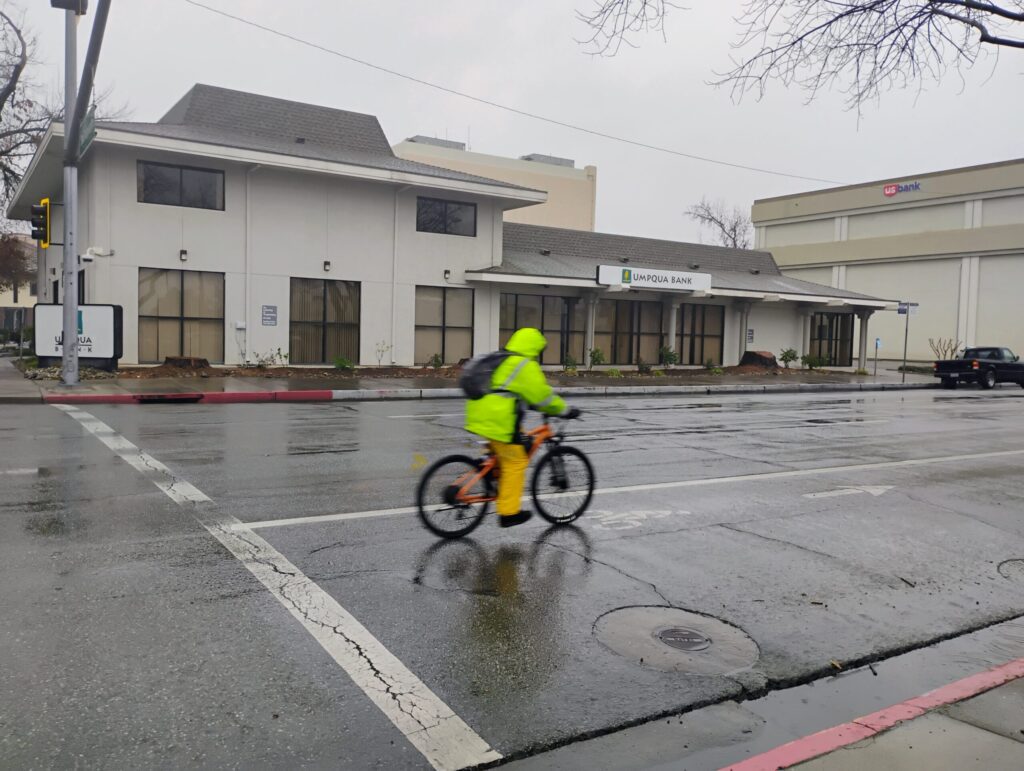
Where is Redding’s New Tree Ordinance? (January 2025)
Photo: The stumps of three large redwood trees in front of Umpqua Bank that have…
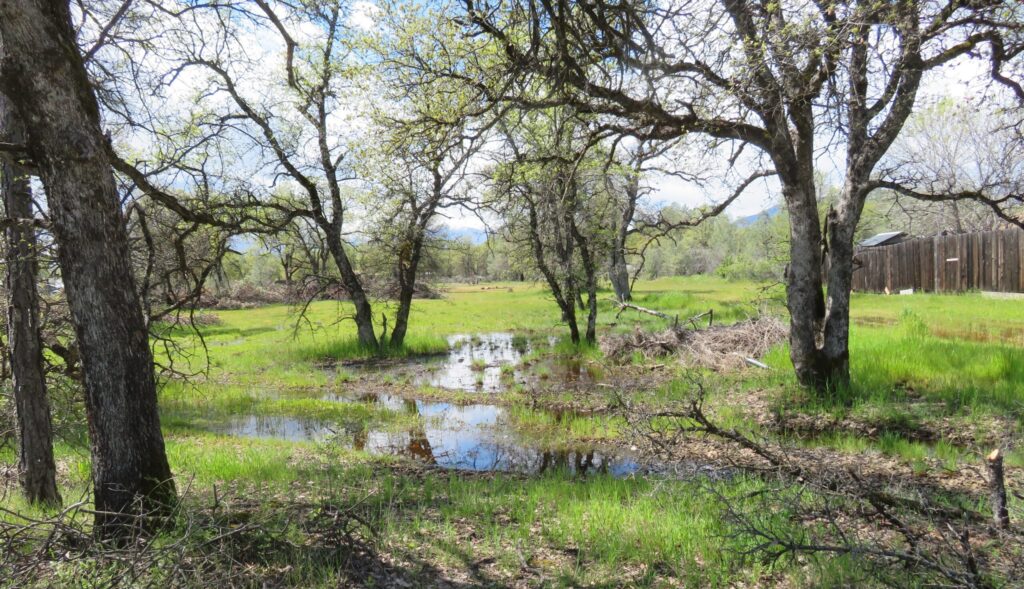
Developer Cuts Down 65 Oak Trees Without Permit or Planning Approval
Photo: View of some of the cut oaks on the lot By David Ledger Zinco…
Petition: Redding Tree Ordinance
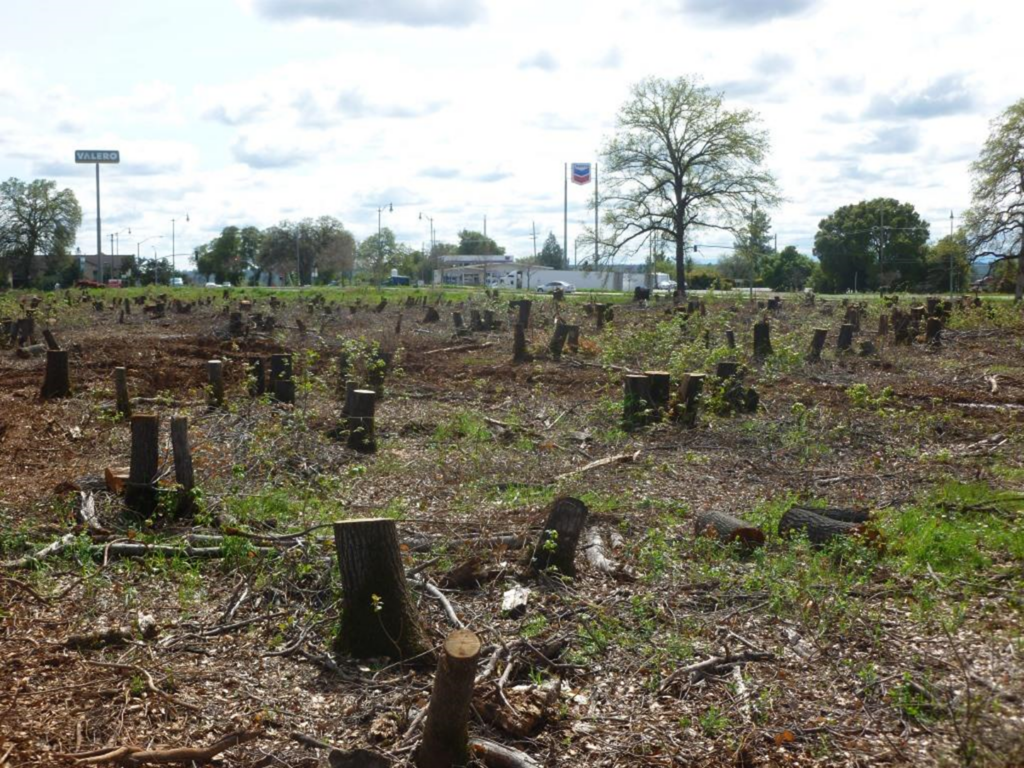
Deluge of Emails Hits the Planning Commission on Trees
Congratulations to many of you who sent in comment emails on the discussion of a…

Have Your Say: Shape the Future of Redding’s Environment!
The City of Redding’s Draft General Plan and Environmental Impact Report has recently been released…
Redding Needs a Tree Ordinance Now
This is an Speak Your Piece article by SEA President David Ledger that appeared in…